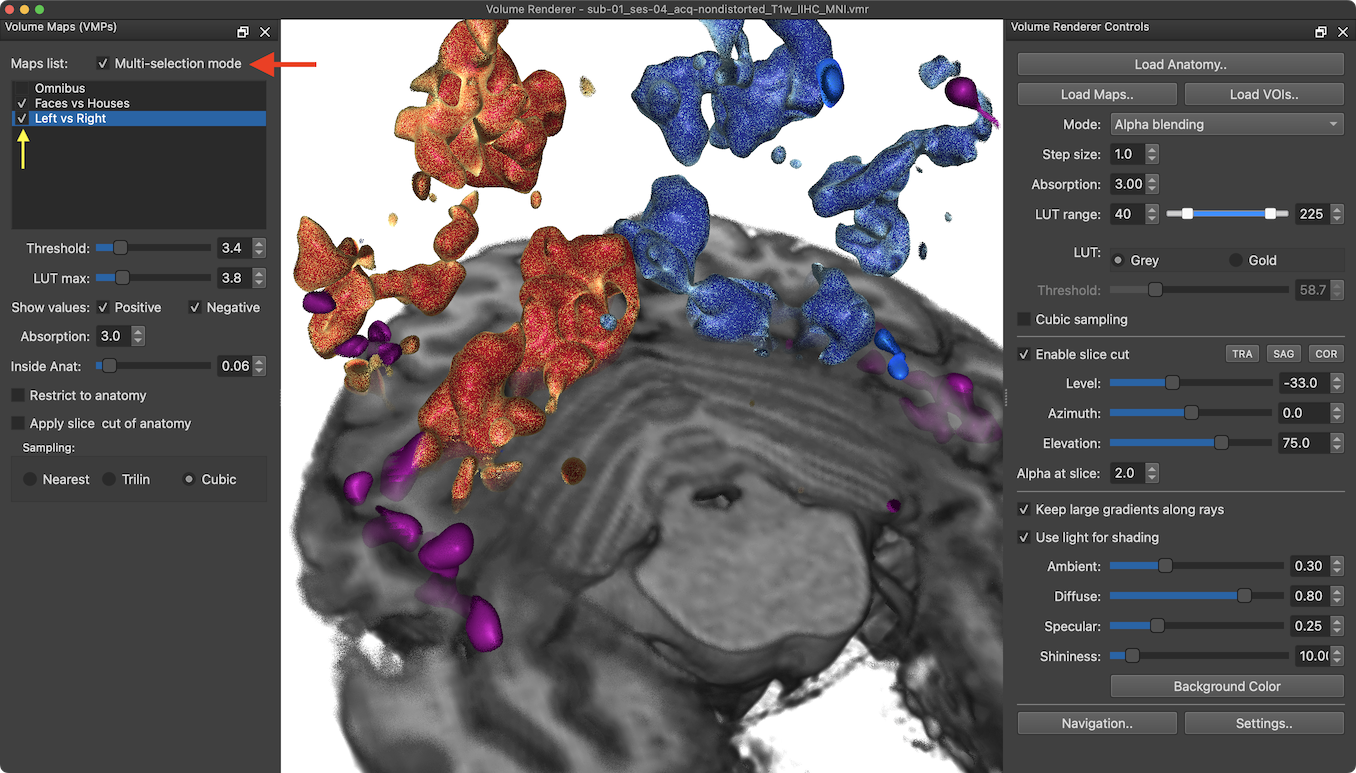
Volume Cartography is a computer program for locating and mapping 2-dimensional surfaces within a 3-dimensional object.
X-rays can reveal minute details of what is in an object, and computer program such as Volume Cartography can organize the images into layers, a process called volume rendering.
Burned scrolls
Ein Gedi is a community that was destroyed by fire during the reign of the Byzantine emperor Justinian in the 6th century AD. The burning of the Ein Gedi synagogue reduced its scrolls on parchment to lumps of charcoal. The burned scrolls were discovered by archaeologists during an excavation in 1970. They were so fragile that they disintegrated whenever touched. Various attempts were made to mechanically unwind and read the scrolls, but the scrolls were too delicate.
In 2016, W. Brent Seales, a researcher at the University of Kentucky, created a set of computer programs called Volume Cartography to reconstruct the layers of text in a digital X-ray image of the one of the scrolls, known as the En-Gedi Scroll.
Process
- Volumetric scan — An X-ray microtomography (Micro-CT) scanner creates a 3-dimensional image of the sample. An X-ray scanner can produce a spot as small as 10 microns.
- Segmentation — Surfaces are found and broken into small triangles, resulting in a triangular mesh defining the surface.
- Texturing — Each point in the mesh is assigned a weight, indicating the likelihood that the point contains writing.
- Flattening — The mesh surface is mapped onto a plane.
- Merging — The pieces of the recovered surface are assembled into a single image.
References