Maria egiziaca (Saint Mary of Egypt) is an opera in a single three-episode act by the Italian composer Ottorino Respighi. The libretto, by Claudio Guastalla, is based on a medieval life of Saint Mary of Egypt, contained in the translation into the vernacular of the Vitae Patrum written by Domenico Cavalca.
The work was originally intended as a concert piece although it has been fully staged in some revivals. It was first performed at Carnegie Hall, New York City, on 16 March 1932. The first stage performance was at the Teatro Goldoni in Venice on 10 August 1932. Both the language of the libretto and the music employ archaism; Respighi's score contains stylistic echoes of Gregorian chant, Renaissance music and Monteverdi.
Roles
Instrumentation
Maria egiziaca is scored for the following instruments:
flute, oboe, 2 clarinets, bassoon, 2 horns, trumpet, 2 trombones, harpsichord (or piano), strings.
Synopsis
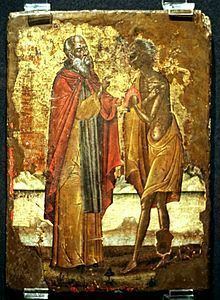
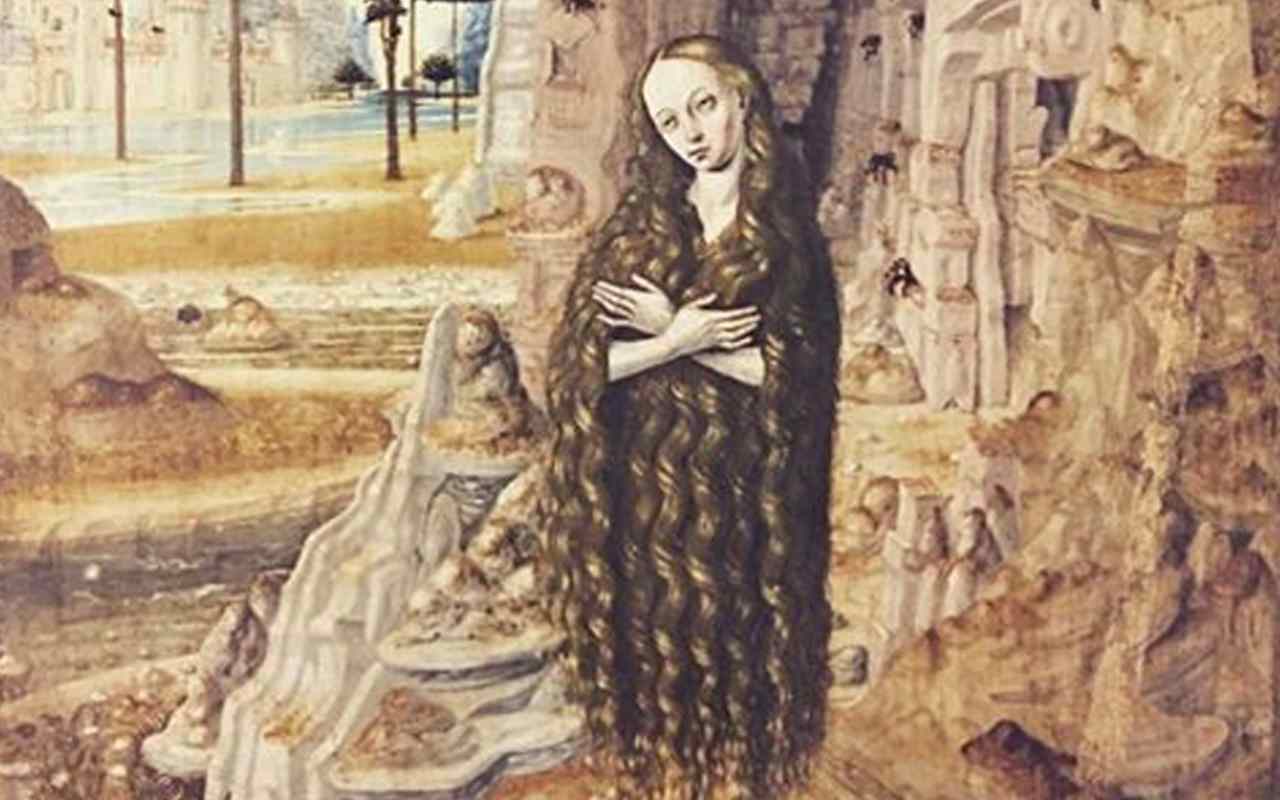
The prostitute Mary suddenly feels an overwhelming longing to travel to Jerusalem. Here she repents her sins and an angel tells her to go to the desert where she lives in prayer until old age. She is found dying by Saint Zosimas, who digs her grave with the help of a lion.
Recordings
References
Further reading
- Del Teatro (in Italian)
- Waterhouse, John C. G., "Maria egiziaca", in Holden, Amanda (ed.) (2001), The New Penguin Opera Guide, New York: Penguin Putnam. p. 742. ISBN 0-140-29312-4